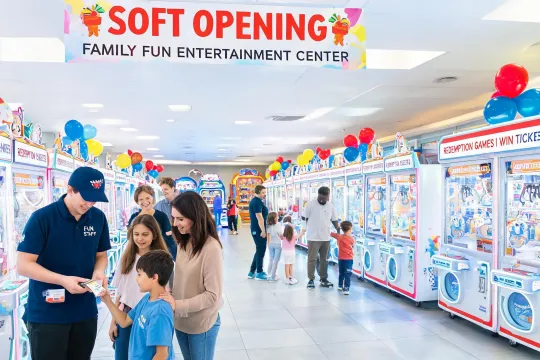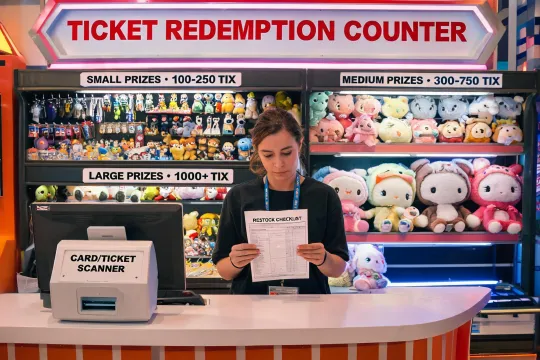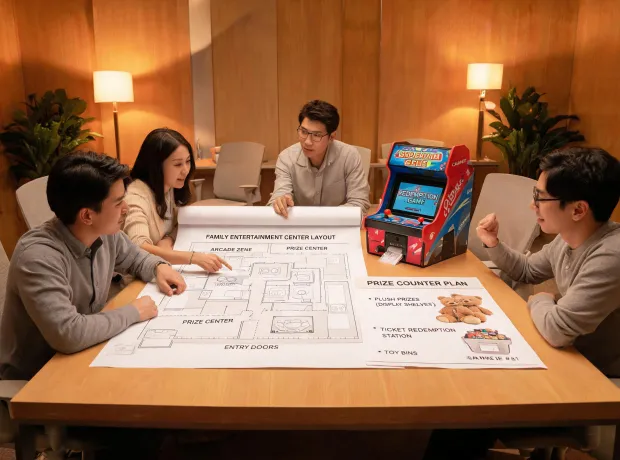
Unis grew around a simple observation: arcade redemption projects often fail in the quiet spaces between product selection, floor layout, prize economics, and daily service. A cabinet can look exciting in a showroom and still create an avoidable staffing problem when it lands beside a narrow intake line or an undersized prize wall.
The company therefore organizes conversations around the operator's actual work. Before recommending equipment, Unis asks how guests enter, where they wait, which age groups are expected, how prizes are replenished, and whether the venue uses tickets, cards, or a hybrid process. Those questions turn a cabinet list into a floor system.
"The best arcade plan is the one a manager can explain during a busy Saturday shift."
That belief shapes how Unis presents information. The team avoids absolute safety promises and fixed ROI claims. Instead, it documents assumptions, compares tradeoffs, and gives buyers language they can share with internal stakeholders. This is especially useful for FEC startups and cinema arcades where the owner, architect, and future floor manager may not have worked together before.
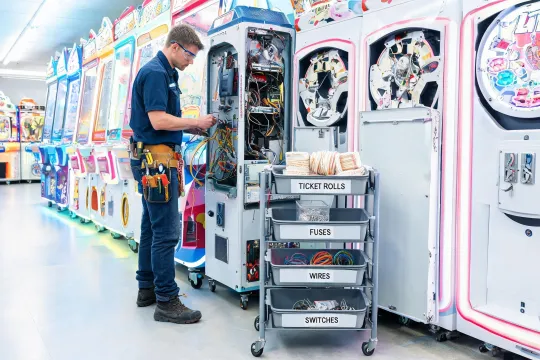
Unis also respects the maintenance reality of amusement equipment. Ticket paths, moving assemblies, card readers, cabinet ventilation, and prize doors all need access. A plan that makes routine service awkward eventually becomes a guest experience problem. The advisor process keeps those service details close to the layout conversation.
Today the Unis site is built for operators who want a calm path through arcade redemption choices. It introduces the product category, but the deeper promise is structured decision support: fewer unclear assumptions, more practical documentation, and a game floor that can adapt after real guest behavior is known.